? 1:43 - What are some of the reasons why the markets been behaving this way? Here is the link to the transcription of this video

Mullooly Asset Show Episode 23
read more
? 1:43 - What are some of the reasons why the markets been behaving this way? Here is the link to the transcription of this video

? 1:50 - 5 Things to Know About FAFSA Here is the link to the transcription of this video

? 1:44 - How complicated does financial planning have to be? https://rpseawright.wordpress.com/2016/02/12/a-hierarchy-of-advisor-value/ Here is the link to the transcription of this video

? 1:30 - Defining a Bear Market Here is the transcription for this video

? 1:45 - The importance of having a safety net 5:27 - Financial Planning courses for adults Here is the transcription for this video
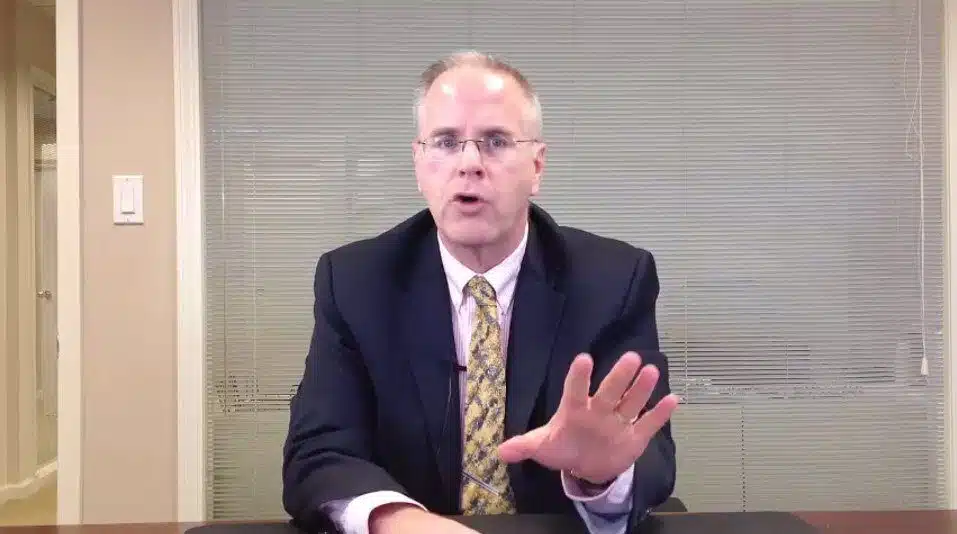
? 1:31 - Is it time to take action based on the sloppy start to 2016? Here is the transcription for this video

? 1:39 - Contacting your advisor when you change your address 4:22 - Should you refinance your debt? Here is the transcription for this video

? 1:23 - Do the best performing sectors from last quarter make good investments? 3:46 - Rolling over your 401(k) Here is the transcription for this video

? 1:27 - The difference between an ETF and an ETN 5:20 - What happens if I'm invested in an ETF and it closes? Here is the transcription for this video

? 1:30 - How to tell your adviser isn't Bernie Madoff 4:33 - Adviser fees 6:31 - Missing the 10 worst days of the year Here is the transcription for this video